Is Life the New Canvas?
This week’s materials challenged how I understand both art and life, especially the idea that life itself can serve as a valid expressive medium. What struck me most was the tension between creation and control, particularly in projects like Mel Chin’s Revival Field and Marta de Menezes’ Nature?. Both artists used living systems not just for visual impact but to ask deeper questions: What does it mean to manipulate life? And where is the line between healing, altering, and owning it?
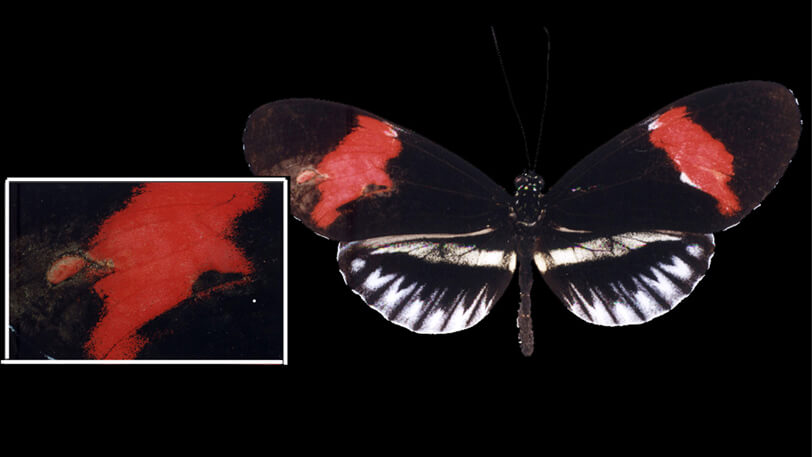
In Revival Field, Chin collaborates with scientists to plant hyperaccumulator species in toxic soil, turning an act of environmental repair into a sculptural, public conversation. De Menezes manipulates butterfly wing patterns, not genetically but developmentally, creating natural impossibilities that vanish with the insect’s death. These works are poignant because they use life’s fragility to explore human authorship.

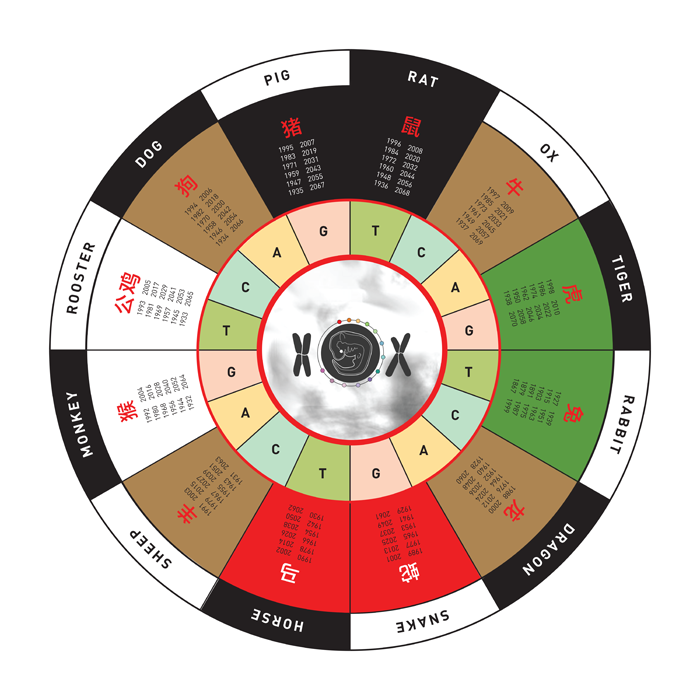
The HOX Zodiac project further blurs science and symbolism by staging communal meals based on genetic code, transforming our relationship with species and ancestry into ritual. Meanwhile, the unintended rise of superweeds from overuse of GMO crops reminds us that biotech art doesn’t exist in a vacuum—mutation and recombinance have real ecological consequences. Even fiction like Planet of the Apes reflects cultural anxieties around engineered evolution and the ethics of “playing god.”
So should artists be bound by the same rules as scientists? Perhaps not identically, but with similar gravity. When the medium is alive, poetic license comes with real-world stakes. Life as an expressive form is powerful precisely because it’s unpredictable. And yes, there should be limits to human creativity: if not to suppress imagination, then to protect what imagination touches.
Sources/Citations:
- Chin, Mel. Revival Field. Mel Chin Studio, https://melchin.org/oeuvre/revival-field/. Accessed 5 May 2025.
- De Menezes, Marta. Nature?. Marta de Menezes, https://martademenezes.com/portfolio/nature/. Accessed 5 May 2025.
- HOX Zodiac. Victoria Vesna and Siddharth Ramakrishnan, https://hoxzodiac.com/. Accessed 5 May 2025.
- May, Michelle. “Super Weed Resistance Concerns Grow.” KSL.com, 9 June 2009, https://www.ksl.com/article/6754314. Accessed 5 May 2025.
- Planet of the Apes. Directed by Franklin J. Schaffner, performances by Charlton Heston and Roddy McDowall, 20th Century Fox, 1968. IMDb, https://www.imdb.com/title/tt0063442/. Accessed 5 May 2025.


Hi Kyle, I really enjoyed your post, your take on the tension between creation and control was especially compelling. I liked how you connected the artworks to broader ethical questions and real-world impacts, like with Revival Field and the rise of superweeds.
ReplyDeleteGreat insights and a thoughtful reflection!